Hero
Context
How Might We
Research
Competitive Analysis
The Solution
Design Decisions
Service Design
Impact
Future Vision
Reflection
CHERRY LI
Work
About
Contact
Gamification • FinTech • UX/UI

Gamified Financial Education for Young Adults
A story-driven mobile game that helps young adults (18–25) understand credit card decisions and long-term financial consequences through immersive scenarios and gamified learning.
Role
UX / Product Designer
Duration
10 weeks
Team
Solo project
Tools
Figma, Research
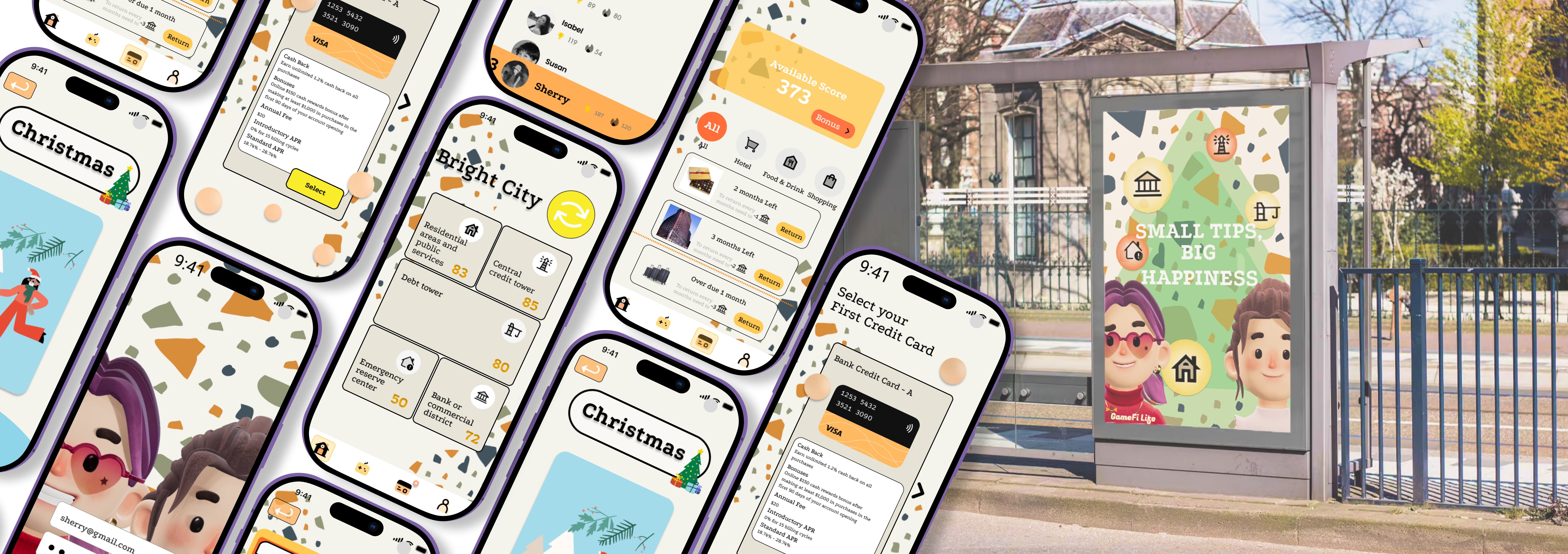
Context
This project is an interactive financial education and management software designed to help users understand their finances and plan consciously for the future. Through narrative experiences, gamification, and receiveization, it transforms financial tools into an engaging platform where users can explore credit, debt, and budgeting while receiving real-time insights and rewards for healthy habits.
More than a management tool, this software fosters responsibility and trust while addressing challenges such as knowledge gaps, decision fatigue, and ad influence, especially among younger users. By blending education with practical tools, it empowers users to improve their financial well-being and explores how technology can drive conscious behavior change and social responsibility.
Impact & Outcomes
Increased Confidence
Users felt more prepared for real credit decisions
Improved Understanding
Better grasp of long-term financial consequences
Behavioral Change
Reduced impulsive thinking during spending scenarios
Higher Engagement
Gamified learning drove sustained interaction
Note: Impact metrics based on early user testing and qualitative feedback.
The Problem
Young adults are entering the credit system early, but are not equipped to make informed financial decisions.
As a result, spending behavior is often driven by short term rewards rather than long term financial stability.
1. Early Adoption Without Understanding
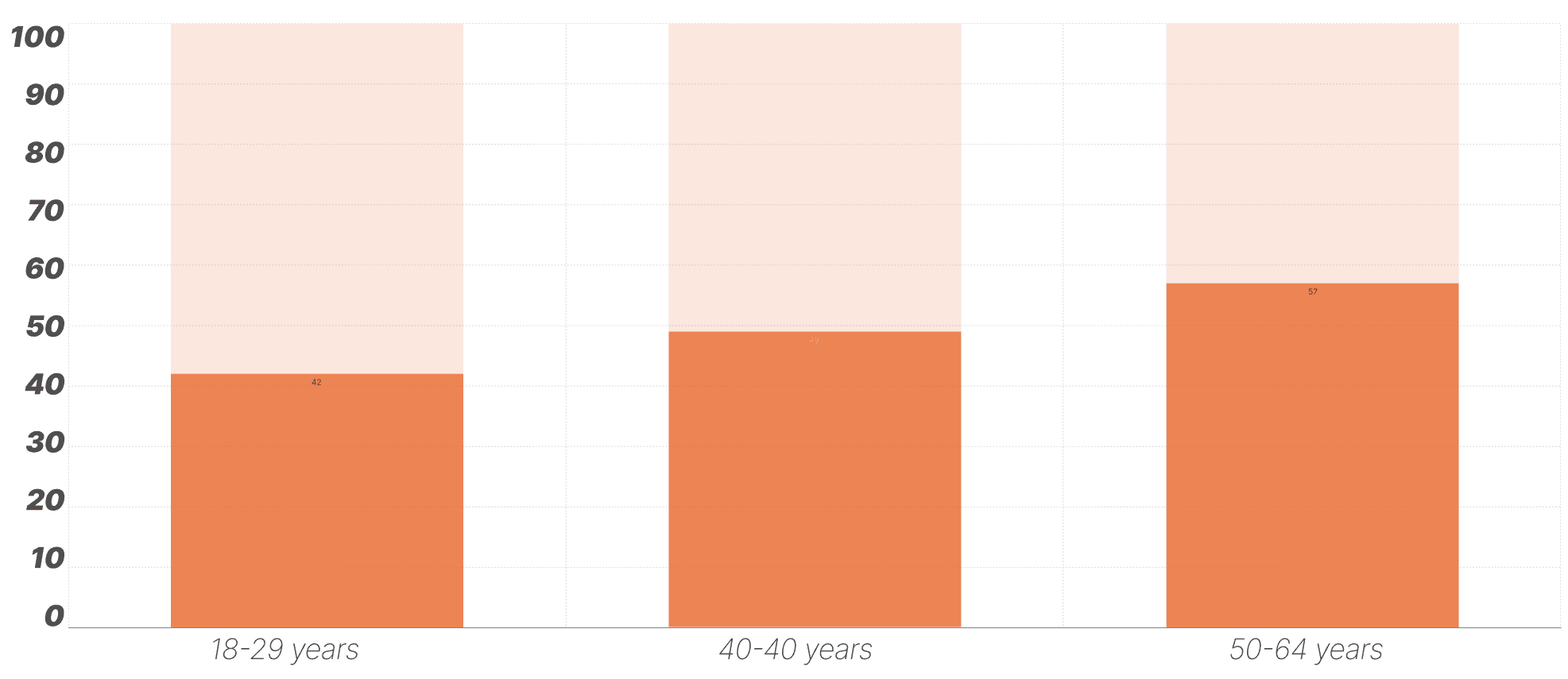
42%
of young adults (18–29) already own credit cards, yet many lack a clear understanding of how credit works
2. Knowledge Gap → Poor Decisions
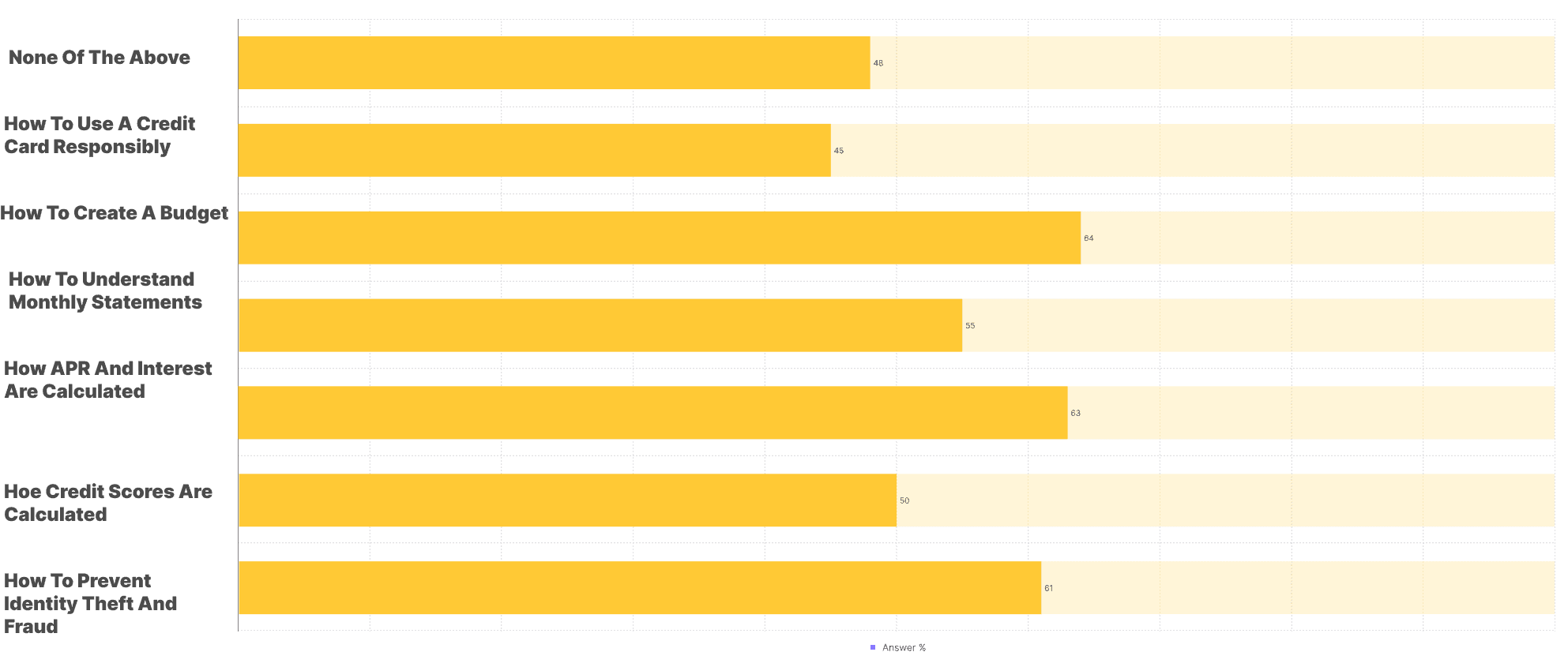
Over 60%
of users lack core financial knowledge, including budgeting, interest rates, and credit score mechanisms
3. Behavioral Bias Toward Impulse Spending
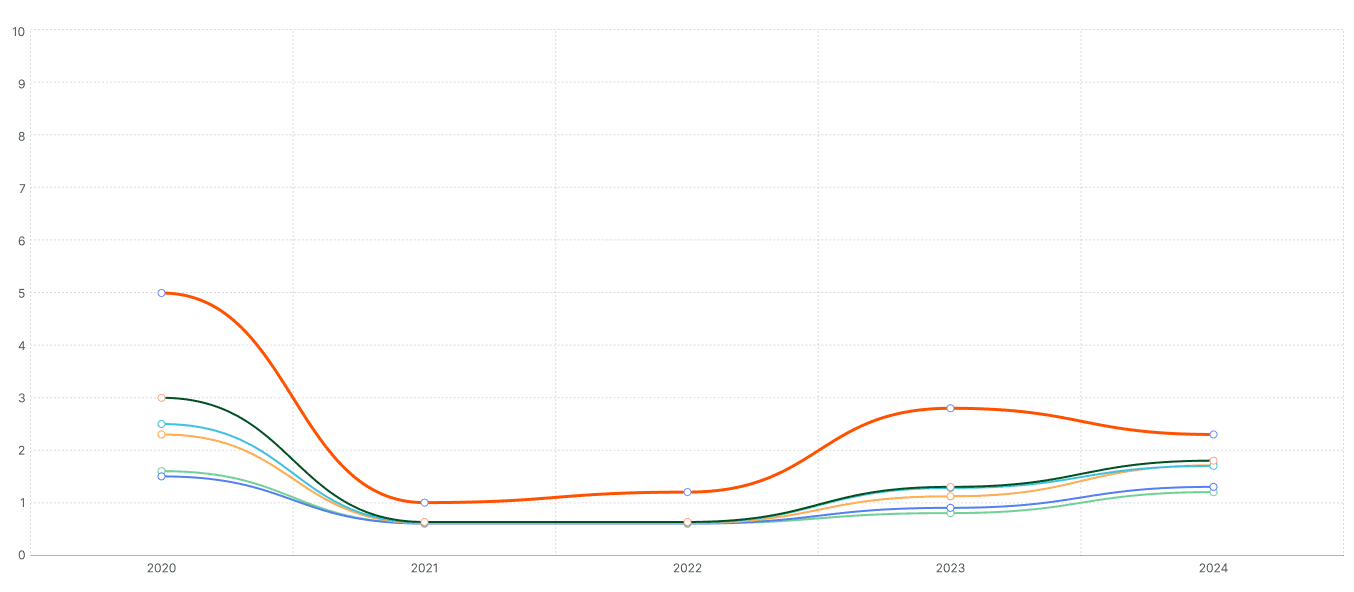
40.7%
of users exhibit impulse spending behavior, driven by instant rewards and frictionless payment experiences
4. Misalignment with Long-Term Financial Stability
36%
of users struggle with essential needs despite active credit use, highlighting a critical misalignment between short-term spending and long-term financial stability.

These issues are not isolated, but they form a behavioral cycle:
Early access → Low understanding → Impulse decisions → Financial consequences
Key Insight
Financial decisions are shaped by emotion, context, and external influence, not just knowledge.
Instead of more information, users need real-time support when making decisions.
How Might We
How might we provide personalized guidance for young users to achieve financial goals
How might we reduce the influence of impulsive spending and advertising
How might we combine financial tools with lifestyle rewards to make them engaging
Design Strategy
Synthesized from user research and affinity mapping

Help users identify and avoid impulsive spending
Provide personalized insights to guide decision making
Integrate financial tools into users’ daily lifestyle
The Solution
GameFi Life turns financial education into a story-driven game where users experience real-life spending scenarios and immediately see the consequences of their choices.
👥
Dual Characters
Lily (transparent guidance) vs Molly (impulsive advertising)
🏙️
City-Building Feedback
Financial health visualized through city condition
🎭
Real-Life Scenarios
Black Friday, holidays, peer pressure situations
⭐
Consequence System
Immediate and long-term impacts shown clearly
Character Design
Molly and Lily were created to represent the diverse challenges young adults face with credit card use.

Molly
Represents impulsive spending and misleading advertising tactics

Lily
Highlights the need for financial education and transparent guidance
Key Design Decisions
Scenario-Based Gameplay
High-risk spending moments like Black Friday and Christmas are used to simulate real decision-making pressure. Users face time-limited choices with visible short-term and long-term consequences.
Design Rationale:
Real-world financial mistakes often happen during high-pressure moments. By recreating these scenarios in a safe environment, users can develop better decision-making habits before facing real financial risk.
Dual Character System (Lily & Molly)
Lily represents transparent financial guidance, while Molly embodies impulsive and misleading advertising tactics. This dual-character approach helps users recognize and resist manipulative messaging in real life.
Molly
"Buy now, pay later! You deserve it!"
Represents temptation and impulse
Lily
"Let's think about your budget first."
Represents wisdom and transparency
By personifying different voices, users learn to recognize external pressures in real-world shopping environments.
City-Building as Financial Feedback
Financial health is visualized through the condition, growth, and vibrancy of a virtual city. Good decisions improve infrastructure; poor decisions cause decay. This provides emotional, visual feedback beyond numbers.
🌆
Bright City
Thriving infrastructure, vibrant colors, positive growth indicators
🌃
Shadow City
Declining buildings, muted tones, visible consequences of poor choices
This metaphor makes abstract financial concepts tangible and emotionally meaningful, encouraging long-term thinking over instant gratification.
Making Long-Term Credit Consequences Visible
Credit damage does not come from one major mistake. It emerges from repeated small decisions that feel reasonable in the moment. This system visualizes patterns and future consequences early, allowing users to adjust behavior before real-world credit damage occurs.
Moment 1 — Decision Point
A small, everyday decision that feels manageable in the moment.
The Black Friday scenario presents Lily and Molly offering competing advice. The purchase feels tempting and low-friction, with minimal immediate consequence visible to the user.
Behavioral Design Analysis
HI-FI SCREENS
Black Friday Entry
Competing Advice
Payment Flow
Gamification

Entry Point
Entry Point: Black Friday Temptation
The scenario introduces a high-stakes shopping moment designed to trigger impulse behavior.
DESIGN PATTERNS IDENTIFIED
Visual Appeal
high impact
Bright colors and celebratory Black Friday imagery create excitement and positive emotional state
Time Pressure
high impact
Limited-time sale creates urgency and FOMO (Fear of Missing Out)
Social Proof
medium impact
Character introductions (Lily and Molly) represent internal dialogue made external
KEY INSIGHTS
→
Users encounter the decision in a heightened emotional state
→
The context frames spending as a special event, not regular behavior
→
Low cognitive load at entry - the decision appears simple
Moment 2 — Pattern Emergence
Repeated choices begin forming behavioral patterns, even if each individual decision seems harmless.
Score changes and city condition shifts start to accumulate. The system tracks patterns over time, showing how similar decisions compound into behavioral trends.
Behavioral Design Analysis
HI-FI SCREENS
Bright City
Shadow City
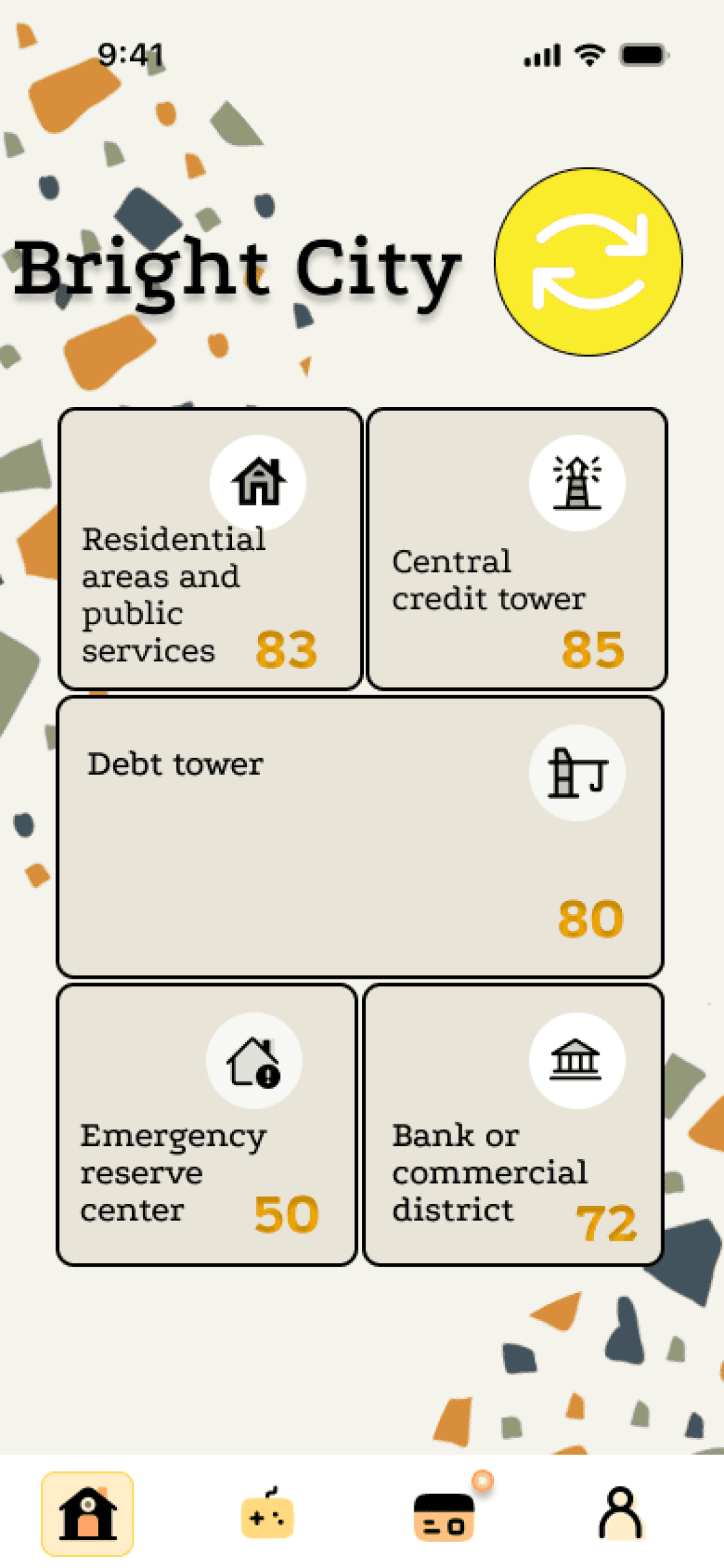
Pattern Tracking
Pattern Emergence: The Accumulation Effect
Score changes and city condition shifts start to accumulate. The system tracks patterns over time, showing how similar decisions compound into behavioral trends.
HOW THE INTERFACE SHAPES BEHAVIOR
Score Tracking
high impact
City health metrics (83, 85, 80, 50, 72) visualize the cumulative effect of decisions over time
State Visualization
high impact
Bright City → Shadow City transformation shows pattern consequences becoming visible
Compound Effects
medium impact
Emergency reserve drops to 50 while debt status reaches "High" - small decisions add up
KEY INSIGHTS
→
Score changes and city condition shifts start to accumulate
→
The system tracks patterns over time, showing how similar decisions compound into behavioral trends
→
What felt harmless in isolation creates visible deterioration when repeated
Moment 3 — Future Trajectory
This is not a punishment, but a projected future based on current behavior.
The Shadow City state reveals what continued poor decisions lead to. The city visibly declines—not as punishment, but as honest feedback showing the natural trajectory of financial behavior.
Moment 4 — Recovery
Credit health is not fixed. Small changes can redirect the future.
The Bright City shows recovery is possible. Better decisions improve the city's condition, demonstrating that changing behavior can alter long-term outcomes. Financial health is learnable, not permanent.
This system treats credit consequences as cause-and-effect relationships, not isolated features. It makes long-term outcomes visible, gradual, and learnable through system feedback.
Validation & User Testing
Prototype testing with 15 young adults revealed significant behavioral shifts:
Increased Awareness
Users reported thinking twice before impulse purchases
Better Understanding
Clearer grasp of credit consequences and repayment
Reduced Anxiety
Felt more confident about credit decisions
What I Learned
1
Gamification can simplify complex systems
Financial literacy doesn't require dry lessons—playful interactions can teach sophisticated concepts when designed thoughtfully.
2
Emotional storytelling drives behavioral awareness
Users connected more deeply with characters and scenarios than with charts and statistics. Emotional resonance creates lasting behavioral change.
3
Ethical design requires visible consequences
Making long-term impacts visible and immediate helps users develop better decision-making habits. Design has a responsibility to show truth, not just optimize engagement.